We design, upgrade and manage the networks, servers, storage and data centre services your organisation runs on, on-premises, hybrid or in the cloud, so the systems everyone depends on stay fast, secure and available.
- Resilient by design
- Proactive monitoring
- Tested backup and recovery

54%
of data centre operators said their most recent significant outage cost over $100,000 (Uptime Institute, 2025)
The basics
What is enterprise infrastructure?
Enterprise infrastructure is the physical and virtual foundation behind every application and service your organisation uses: networks, servers, storage, and the systems that keep them running and recoverable.

Every email, transaction, video call and business application relies on infrastructure working quietly in the background. That includes the local and wide area networks, Wi-Fi and firewalls that connect people and sites; the servers and virtualisation platforms that run workloads; the storage that holds your data; and the backup and disaster recovery systems that bring everything back if something fails. It may sit in your own server room, a colocation data centre, the public cloud or, increasingly, a hybrid of all three.
Good infrastructure is designed for resilience rather than hope. That means removing single points of failure, sizing capacity for growth, segmenting networks so a problem in one place can't spread, and monitoring everything so issues are fixed before users notice. It also means planning the lifecycle: replacing hardware before it becomes unreliable, keeping firmware and operating systems supported and patched, and regularly testing that backups can actually be restored. Managed well, infrastructure becomes invisible: fast, secure and available, with a clear roadmap instead of a series of emergencies.
- A
Physical foundations
Networks, servers, storage, power and connectivity, designed and installed to last.
Example: Two independent internet links keep every site online if one fails.
- +
Operational care
Monitoring, patching, capacity planning and tested recovery that keep those foundations healthy.
Example: A failing disk is replaced before anyone notices a slowdown.
- =
Resilient infrastructure
Systems that stay available, recover quickly from failure and grow with your organisation.
Example: A server fails at 2am and services carry on running on another host.
Why resilience matters
Outages are rarer, but costlier
Better equipment and practices have made outages less frequent, but when they happen they're increasingly expensive, and most could have been prevented.
53%
of data centre operators reported an outage in the past three years (Uptime Institute, 2024 survey)
54%
said their most recent significant outage cost more than $100,000
1 in 5
said their most recent significant outage cost more than $1 million
80%
believe better management and processes would have prevented their most recent outage
Fewer operators are reporting outages
The share of operators reporting an outage in the past three years has fallen steadily since 2020, as design and operational practices improve. More than half still had one, so resilience can't be taken for granted.
Source: Uptime Institute, Annual Outage Analysis 2025 (May 2025)
| Year | Share |
|---|---|
| 2020 | 78% |
| 2021 | 69% |
| 2022 | 60% |
| 2023 | 55% |
| 2024 | 53% |
Common challenges
Where infrastructure lets organisations down
Infrastructure problems tend to build up quietly until something breaks. These are the issues we find and fix most often.
Ageing hardware
Servers, switches and storage past their expected life, failing more often and harder to repair.
Unsupported software
Operating systems and firmware no longer receiving security updates, leaving known weaknesses open.
Single points of failure
One internet line, one core switch or one server that takes everything down when it fails.
Untested backups
Backups that exist but have never been restored, or that ransomware can reach and encrypt.
No visibility
Problems discovered by users rather than monitoring, with no data for capacity planning.
Unreliable connectivity
Slow or patchy networks and Wi-Fi that hold back cloud apps, video calls and productivity.
What's included
Infrastructure designed, delivered and managed
From a single office to multiple sites and data centres, we cover the full lifecycle of your infrastructure.
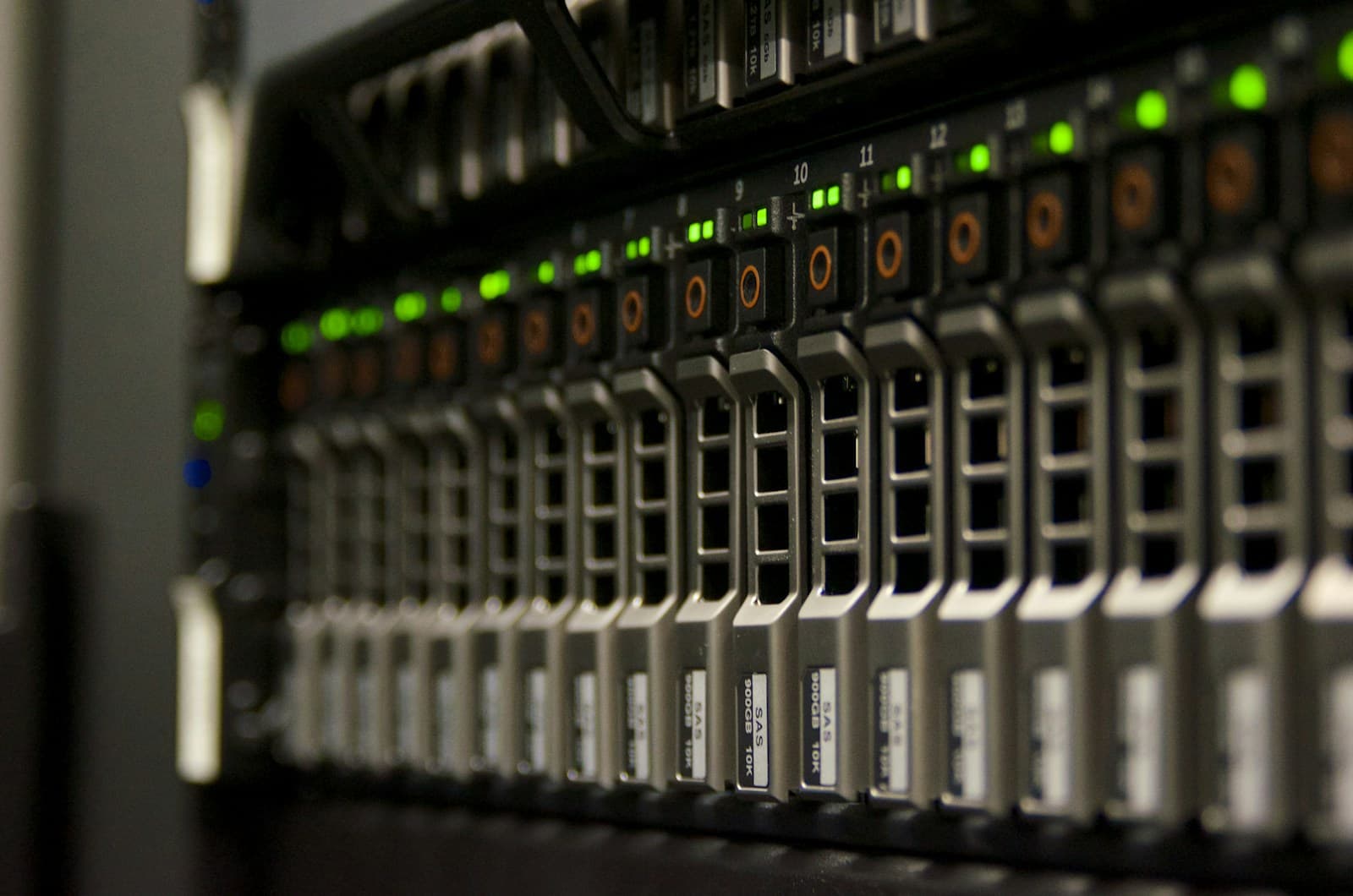
Network design and build
LAN, WAN, SD-WAN and Wi-Fi designed for performance, security and growth.
Firewalls and secure connectivity
Next-generation firewalls, segmentation and secure site-to-site and remote access.
Servers and virtualisation
Right-sized servers and hypervisor platforms with high availability built in.
Storage
Resilient storage that matches performance, capacity and retention needs.
Backup and disaster recovery
Immutable, off-site backups and recovery plans that are tested regularly.
Data centre and colocation
Racking, power, cooling and moves into and between data centres.
Hybrid infrastructure
On-premises systems connected securely and seamlessly to the cloud.
Monitoring and management
24/7 health monitoring, alerting, patching and capacity reporting.
Lifecycle and refresh planning
A clear roadmap for replacing hardware and software before it becomes a risk.
- Cisco
- Fortinet
- Palo Alto Networks
- Ubiquiti
- MikroTik
- NETGEAR
- VMware
- Nutanix
- Proxmox
- Dell
- Lenovo
- Red Hat
- Ubuntu
- Debian
- Veeam
- TrueNAS
- Prometheus
- Grafana
- Ansible
- Puppet
- Datadog
- Google Cloud
- OpenStack
- Cloudflare
- NGINX
Technologies
Infrastructure technology we work with
We're vendor-neutral and work across the leading networking, server, virtualisation and backup platforms. We'll make the most of what you have, and recommend what fits when it's time to change.
01
Networking and security
Switching, routing, wireless and firewalls for every size of site.
- Cisco
- Juniper Networks
- Fortinet
- Palo Alto Networks
- Ubiquiti
- MikroTik
02
Servers and virtualisation
Compute platforms and hypervisors that run your workloads reliably.
- VMware
- Microsoft Hyper-V
- Nutanix
- Proxmox
- Dell
- Lenovo
03
Operating systems
Supported, patched and hardened server operating systems.
- Windows Server
- Red Hat
- Ubuntu
- Debian
04
Backup and recovery
Protecting data on-premises, in the cloud and in Microsoft 365.
- Veeam
- TrueNAS
05
Monitoring and automation
Visibility of every device and automation that keeps them consistent.
- Prometheus
- Grafana
- Datadog
- Ansible
- Puppet
06
Hybrid and cloud
Extending infrastructure securely into public and private cloud.
- AWS
- Microsoft Azure
- Google Cloud
- OpenStack
- Cloudflare
Product names and logos are trademarks of their respective owners and are shown to illustrate the technologies available. Their use does not imply endorsement or partnership.
The benefits
What resilient infrastructure brings to your organisation
Less downtime
Redundancy and monitoring that keep systems available when components fail.
Faster recovery
Tested backups and clear plans that bring services back quickly.
Better performance
Networks and systems sized for how your people work today.
Stronger security
Supported, patched and segmented infrastructure that's harder to attack.
Predictable costs
Planned refresh cycles instead of emergency replacements.
Room to grow
Capacity and architecture ready for new sites, staff and services.
Resilience basics aren't universal
Most UK businesses have firewalls and cloud backups, but fewer than half back up data by other means, and less than a third use dedicated monitoring tools. Gaps like these turn a hardware failure or cyber attack into a crisis.
Source: DSIT, Cyber Security Breaches Survey 2025
| Measure | Share |
|---|---|
| Firewalls | 72% |
| Cloud backup | 71% |
| Other backup | 47% |
| Security monitoring | 30% |
Standards and good practice
Designed and run to recognised standards
Our infrastructure services follow established frameworks for service management, security and continuity.
ITIL 4
Widely adopted good practice for IT service management, from incidents to change control.
ISO/IEC 27001
Infrastructure controls that support an information security management system.
ISO 22301
The international standard for business continuity management.
Cyber Essentials
Firewalls, secure configuration, patching and access control, built into how we run infrastructure.
CIS Controls and Benchmarks
Prioritised security controls and hardening standards for servers and network devices.
NCSC Cyber Assessment Framework
The framework for organisations running essential services and critical infrastructure.
3-2-1 backup principle
Three copies of data, on two types of media, with one kept off-site and protected.
UK GDPR
Appropriate technical measures to keep personal data available, intact and confidential.

The business perspective
What leaders are weighing up
Infrastructure decisions are long-term commitments. These are the questions we help leadership teams answer.
What would downtime cost us?
Lost revenue, idle staff and damaged trust for every hour systems are down.
On-premises, cloud or hybrid?
Which workloads belong where, based on cost, performance and risk.
When should we refresh?
Replacing hardware at the right time, before failure rates and support costs rise.
Could we recover from ransomware?
Are backups isolated, tested and fast enough to restore the business?
Getting started
How to make your infrastructure more resilient

- 1
Map what you have
Document every site, device, connection and dependency, and how old each one is.
- 2
Find the single points of failure
Identify what would take the business down if it failed, and fix those first.
- 3
Protect your backups
Make them immutable and off-site, and prove you can restore from them.
- 4
Monitor everything
Collect health and capacity data so problems are spotted before users notice.
- 5
Plan the lifecycle
Set a refresh roadmap and budget, so upgrades are planned rather than urgent.
Our approach
How we deliver resilient infrastructure
We start by understanding what you have and where it's fragile, then improve it in stages without disrupting the business.
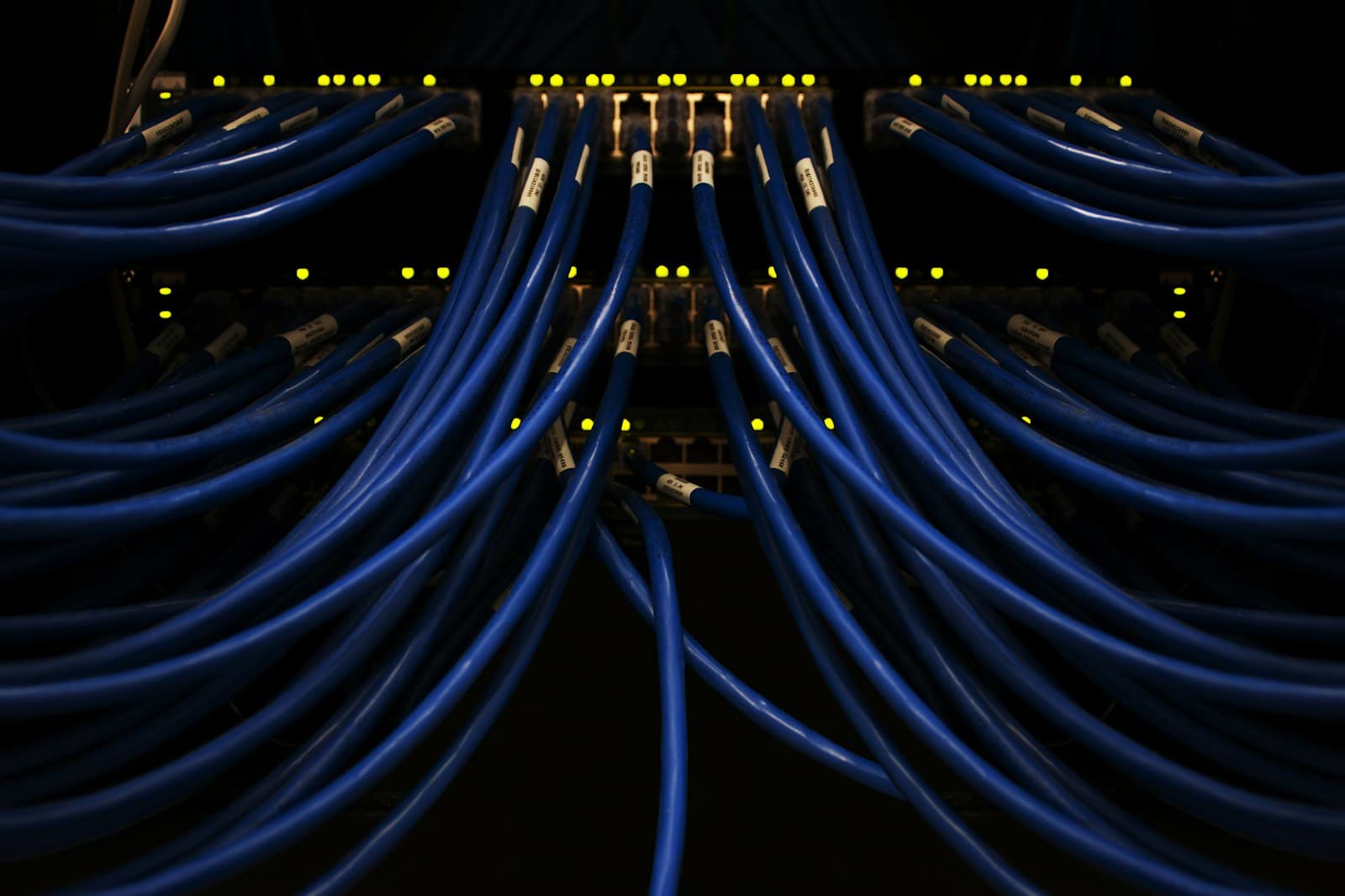
- 01
Survey
Audit your sites, networks, servers, storage and backups, and assess risks and capacity.
You get: A clear report on risks and priorities
- 02
Design
Design resilient, secure architecture that fits your budget and growth plans.
You get: A target design and phased roadmap
- 03
Deliver
Install, upgrade and migrate in planned stages, often out of hours.
You get: Upgraded infrastructure with minimal disruption
- 04
Run
Monitor, patch, back up and support your infrastructure day to day.
You get: Stable, secure systems
- 05
Improve
Review performance and capacity regularly and keep the roadmap current.
You get: Infrastructure that stays ahead of demand
Why Anthrasec
Why choose Anthrasec for infrastructure
Resilience first
We design out single points of failure and prove recovery works.
Security built in
Segmented, hardened and patched infrastructure, from cybersecurity specialists.
Vendor-neutral
We recommend what suits you, not what we're incentivised to sell.
On-premises to cloud
One team covering data centre, hybrid and cloud infrastructure.
Minimal disruption
Careful planning and out-of-hours changes that keep the business running.
Long-term partner
Monitoring, support and a lifecycle roadmap, not just a one-off project.
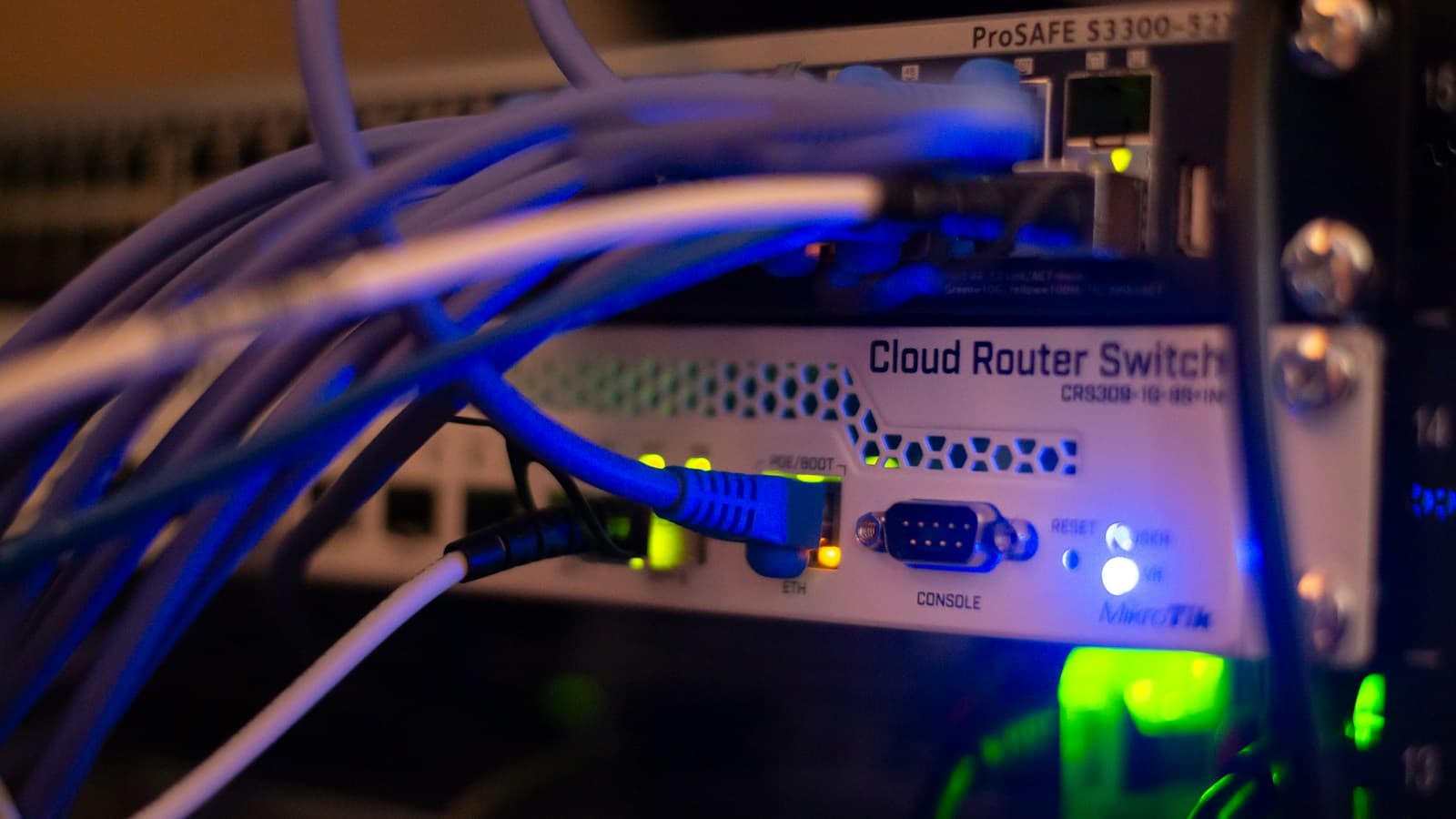
Common questions
Enterprise infrastructure, answered
What does enterprise infrastructure include?
It covers the networks, Wi-Fi, firewalls, servers, virtualisation, storage, backup and data centre services that your applications and people rely on, whether they're on-premises, in a colocation facility, in the cloud or a mix of all three.
Should we move everything to the cloud?
Not necessarily. Many workloads benefit from the cloud, but some run better or cheaper on-premises, for example because of latency, data volumes or specialist hardware. We'll assess each workload and recommend the right mix, which is often a hybrid model.
How often should servers and network equipment be replaced?
It depends on the equipment and how it's used, but many organisations plan to refresh servers and core network equipment every five to seven years, and sooner if the vendor stops providing support or security updates. We'll build a refresh roadmap based on age, condition and support dates.
What's the difference between backup and disaster recovery?
Backup is a copy of your data that you can restore if something is lost or corrupted. Disaster recovery is the plan and technology to get whole systems running again after a major incident, within agreed recovery times. You need both, and both need regular testing.
Can you protect our backups from ransomware?
Yes. We use immutable and off-site backups that can't be changed or deleted by attackers, separate credentials and regular restore tests, so you can recover even if your main systems are compromised.
Do you offer 24/7 infrastructure monitoring?
Our monitoring service watches the health, performance and capacity of your infrastructure around the clock and alerts our team to problems. Response times and support hours are agreed with you as part of your service.
Can you work with our existing IT team?
Yes. We can take full responsibility for your infrastructure or work alongside your in-house team, providing specialist skills, extra capacity or out-of-hours cover.
Work with us
Ready to work with Anthrasec?
Let's schedule a meeting.
Pick a time that suits you and tell us a little about what you need. We'll come prepared, with the right people in the room.
Step 1 of 4
Choose a date and time
October 2026
Checking availability…
Times are shown in UK time (London). Meetings are held on Microsoft Teams.
Available times
Choose a date to see available times.