We design and build web, mobile and internal applications around the people who use them, engineered for reliability and security from the first line of code, and supported long after launch.
- Designed around your users
- Secure by design
- Supported after launch
84%
of developers now use or plan to use AI tools in their work (Stack Overflow, 2025)
The basics
What is application development?
Application development is the process of designing, building, testing and running software that solves a specific problem for your customers or your teams.
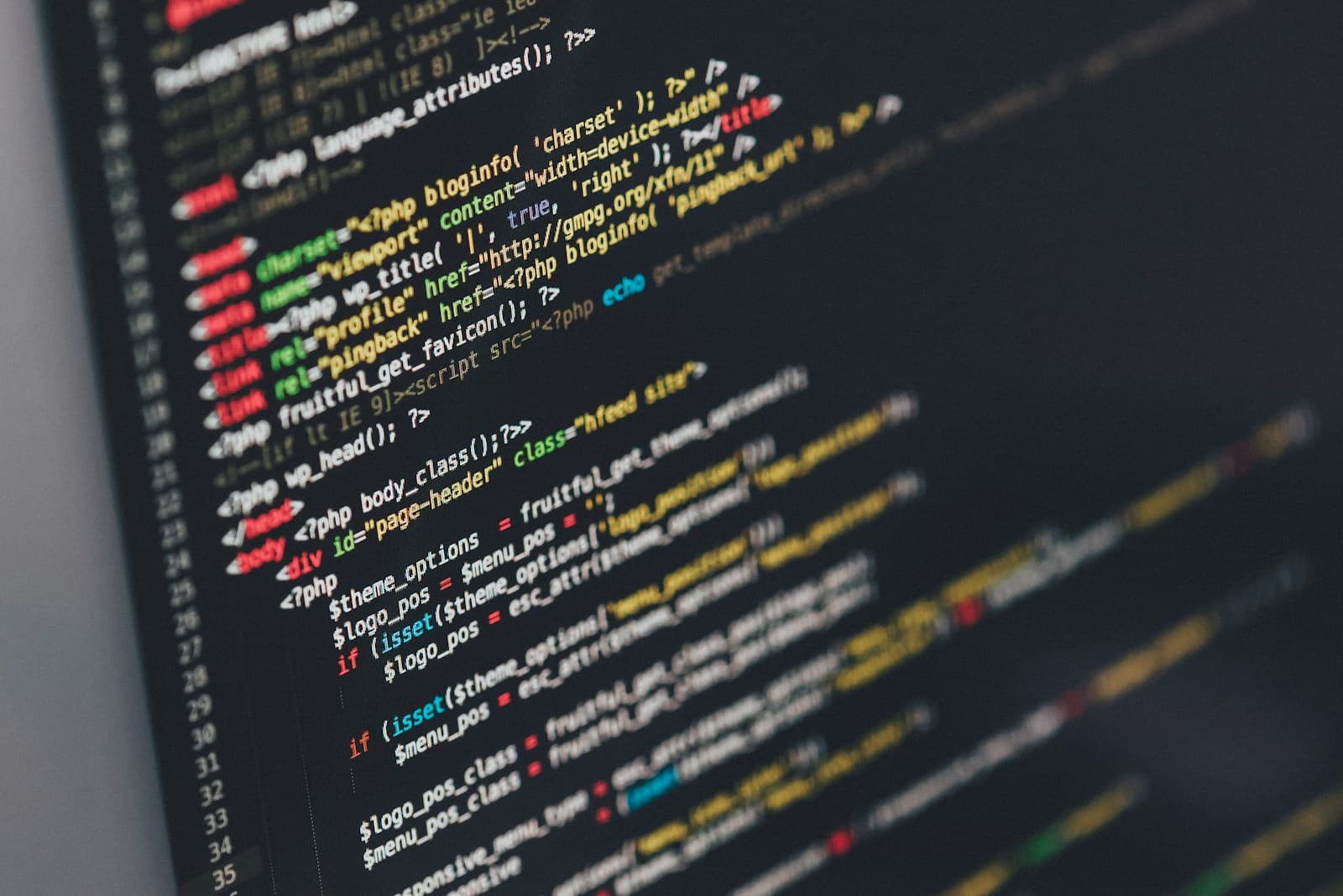
Off-the-shelf software is a great fit for common needs such as email, accounting or payroll. But when the way you serve customers or run operations is what sets you apart, generic tools often force you to work around them, with spreadsheets, manual workarounds and systems that don't talk to each other. Custom application development, sometimes called bespoke software development, builds the tool around your process instead: a customer portal, a mobile app, a booking or quoting system, or an internal platform that brings your data and workflows into one place.
Modern application development is far more than writing code. It starts with understanding users and the outcome you need, then moves through user experience (UX) design, architecture, development, automated testing, secure deployment and ongoing support. Teams work in short, iterative cycles so you see working software early and can change direction as you learn, and practices such as continuous integration and delivery (CI/CD) mean updates reach users quickly and safely. Done well, the result is software that is easy to use, secure, scalable in the cloud and straightforward to maintain for years, rather than a project that becomes tomorrow's legacy problem.
- A
Great design
Research-led user experience that makes the right thing easy, tested with real users before a line of production code is written.
Example: Customers can book and pay in three taps instead of a phone call.
- +
Solid engineering
Clean architecture, automated tests and secure, repeatable deployments that keep software reliable as it grows.
Example: Every change is tested automatically and released without downtime.
- =
Software that lasts
Applications people enjoy using, that your business can change quickly and safely, and that stay secure for years.
Example: New features ship every fortnight, and nothing breaks at month end.
How software is changing
AI is reshaping how software gets built
AI coding assistants have gone mainstream in just a few years. They speed up routine work, but developers are clear that experienced engineers still need to check what they produce.
84%
of developers use or plan to use AI tools in their development process, up from 76% a year earlier
51%
of professional developers use AI tools every day
46%
of developers actively distrust the accuracy of AI tools' output
33%
of developers trust the accuracy of AI output, and only 3% highly trust it
AI tools are now part of everyday development
The share of developers using or planning to use AI tools has risen every year since the question was first asked. Used well, alongside code review and automated testing, they help teams deliver more in less time.
Source: Stack Overflow Developer Survey 2023–2025, AI
| Year | Share |
|---|---|
| 2023 | 70% |
| 2024 | 76% |
| 2025 | 84% |
What we build
Applications for customers, teams and systems
From a first product to replacing a system your business depends on, we build software that fits the job.
Web applications
Fast, accessible web apps and platforms that work beautifully on every screen size and browser.
Mobile apps
iOS and Android apps, native or cross-platform, with offline support and secure sign-in.
Customer portals
Self-service portals where customers can order, book, track, pay and get support around the clock.
Internal tools
Workflow, approval and reporting tools that replace spreadsheets and manual processes.
APIs and integrations
Secure, well-documented APIs that connect your CRM, finance, ERP and third-party services.
Legacy modernisation
Ageing systems rebuilt or re-platformed in stages, without disrupting the business that relies on them.
What's included
Everything it takes to ship great software
One team covers the whole lifecycle, so nothing falls between design, development, security and support.
Discovery and product strategy
Workshops to understand users, goals and constraints, and shape a product worth building.
UX and UI design
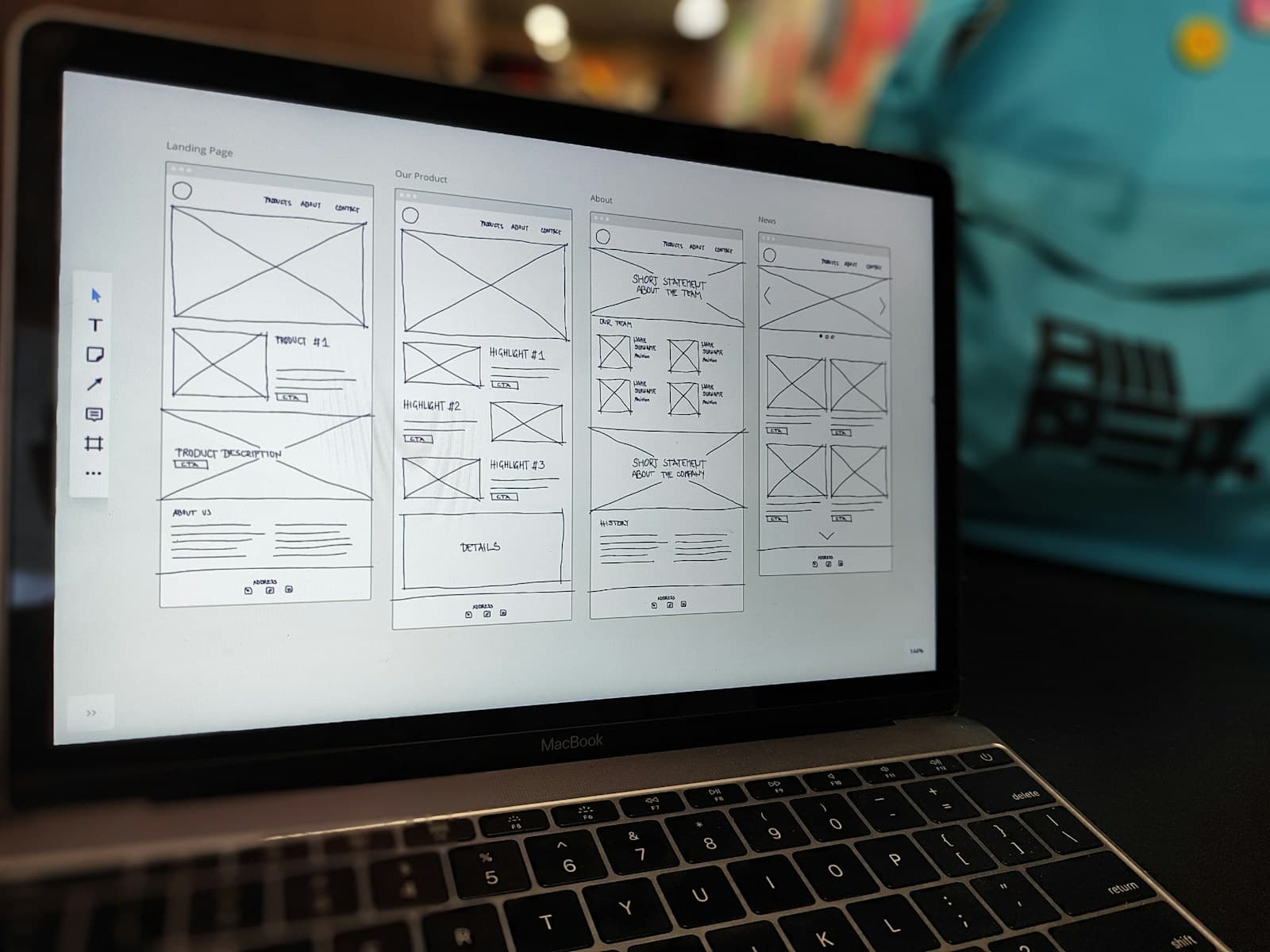
Research, wireframes, prototypes and accessible interface design, tested with real users.
Web development
Modern front ends and robust back ends built with proven, well-supported frameworks.
Mobile development
Native and cross-platform apps for iOS and Android, published and maintained for you.
APIs and integration
Connecting your applications to the systems and data you already rely on.
Cloud-native architecture
Scalable, cost-aware hosting on AWS, Azure or Google Cloud, set up as code.
Testing and quality
Automated unit, integration and end-to-end tests, plus accessibility and performance checks.
DevSecOps and CI/CD
Security scanning, code review and automated pipelines for fast, safe releases.
Support and evolution
Monitoring, maintenance, security updates and new features after launch.
- React
- Next.js
- Vue.js
- Angular
- Svelte
- TypeScript
- Node.js
- Python
- .NET
- Go
- Kotlin
- Swift
- Flutter
- Django
- FastAPI
- PostgreSQL
- MongoDB
- Redis
- GraphQL
- Docker
- Kubernetes
- GitHub Actions
- GitLab
- Terraform
- Figma
- Jest
- Cypress
- Postman
- Stripe
Technologies
Modern, proven technology
We choose mainstream, well-supported technology your team can hire for and maintain, not the latest fashion. Where you have existing standards, we work within them.
01
Front end and mobile
Interfaces for the web and mobile devices, fast and accessible by default.
- React
- Next.js
- Vue.js
- Angular
- TypeScript
- Flutter
- React Native
- Swift
- Kotlin
02
Back end and APIs
Services, business logic and APIs that are secure, testable and scalable.
- Node.js
- Python
- .NET
- Go
- Java
- Django
- FastAPI
- GraphQL
- OpenAPI Initiative
03
Data and storage
Databases, caching and messaging chosen for the shape of your data.
- PostgreSQL
- MySQL
- MongoDB
- Redis
- Supabase
- Firebase
- Apache Kafka
04
Delivery and DevOps
Source control, pipelines, containers and infrastructure as code.
- GitHub
- GitLab
- GitHub Actions
- Azure DevOps
- Docker
- Kubernetes
- Terraform
05
Quality and security
Automated testing, API checks and security scanning built into every change.
- Jest
- Cypress
- Playwright
- Postman
- Storybook
- Snyk
- SonarQube
06
Design and collaboration
Shared tools that keep design, product and engineering working as one team.
- Figma
- Miro
- Jira
- Confluence
- Notion
Product names and logos are trademarks of their respective owners and are shown to illustrate the technologies available. Their use does not imply endorsement or partnership.
The benefits
What well-built software brings to your organisation
Fits how you work
Software shaped around your processes, not the other way round.
Happier customers
Faster, simpler experiences that keep customers coming back.
Time back for teams
Manual steps, re-keying and spreadsheets automated away.
Reliable and secure
Tested, monitored software that protects your data and reputation.
Ready to grow
Cloud architecture that scales with demand without a rebuild.
You own it
Your code, your data and full documentation, with no lock-in.
Developers use AI more, but trust it less
Favourable views of AI tools have fallen as developers see their limits in practice. That's why we pair AI assistance with experienced engineers, code review and automated tests.
Source: Stack Overflow Developer Survey 2025, AI
| Year | Share |
|---|---|
| 2023 | 77% |
| 2024 | 72% |
| 2025 | 60% |
Standards and good practice
Built to recognised standards
Quality, security and accessibility are designed in from the start, following established guidance rather than house rules.
OWASP Top 10 and ASVS
Industry guidance for preventing the most common and serious web application vulnerabilities.
NCSC secure development
The National Cyber Security Centre's principles for developing and deploying software securely.
WCAG 2.2 AA
Accessibility guidelines so your application works for everyone, including people using assistive technology.
UK GDPR privacy by design
Data protection considered at every stage, from what we collect to how long we keep it.
GOV.UK Service Standard
For public sector services, the government's standard for building services that meet user needs.
Cyber Essentials
The UK Government-backed security baseline, supported by how we host and maintain your software.
Twelve-factor apps
Proven principles for building cloud applications that are portable, scalable and easy to operate.
ISO/IEC 25010
The international model for software quality: reliability, performance, security and maintainability.
The business perspective
What leaders ask before investing in software
Software is a significant investment. These are the questions we help you answer before, during and after the build.
Build or buy?
Is there a product that does the job well enough, or will custom software give us an edge?
What will it cost to run?
Beyond the build: hosting, support, licences and the cost of change over the years.
How do we reduce risk?
Small releases, early feedback and clear milestones rather than a single big launch.
Who owns it?
Code, data, documentation and knowledge stay with you, so you're never locked in.
Getting started
How to start a software project well
- 1
Define the outcome
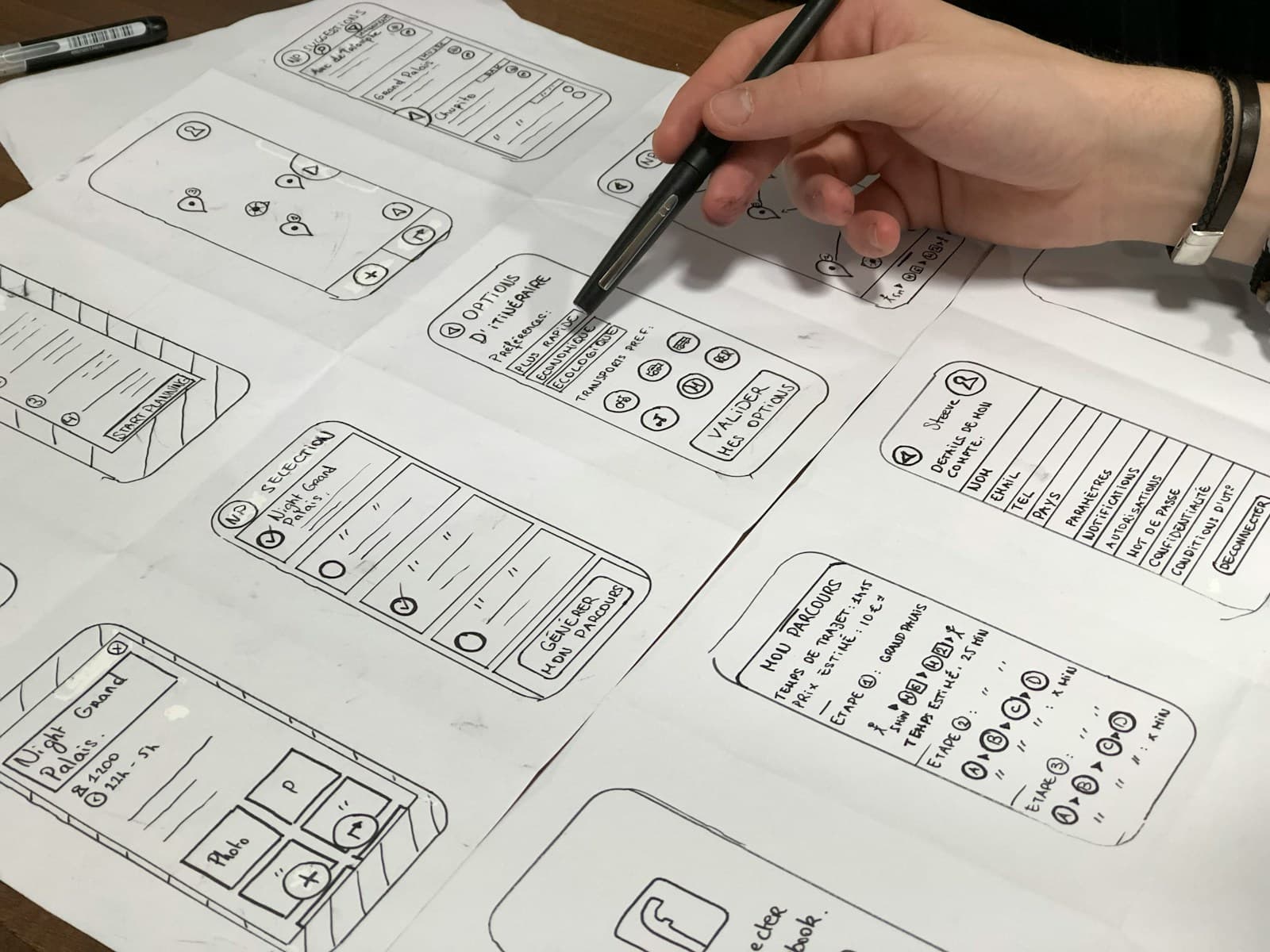
Agree the problem, the users and how you'll measure success before choosing features.
- 2
Talk to users
Research and prototypes reveal what people actually need, early and cheaply.
- 3
Start small
Launch a minimum viable product with the features that matter most, then build on it.
- 4
Build quality in
Automated tests, security checks and code review from the first sprint, not the last.
- 5
Plan for life after launch
Monitoring, support and a roadmap, so the software keeps improving.
Our approach
How we deliver software
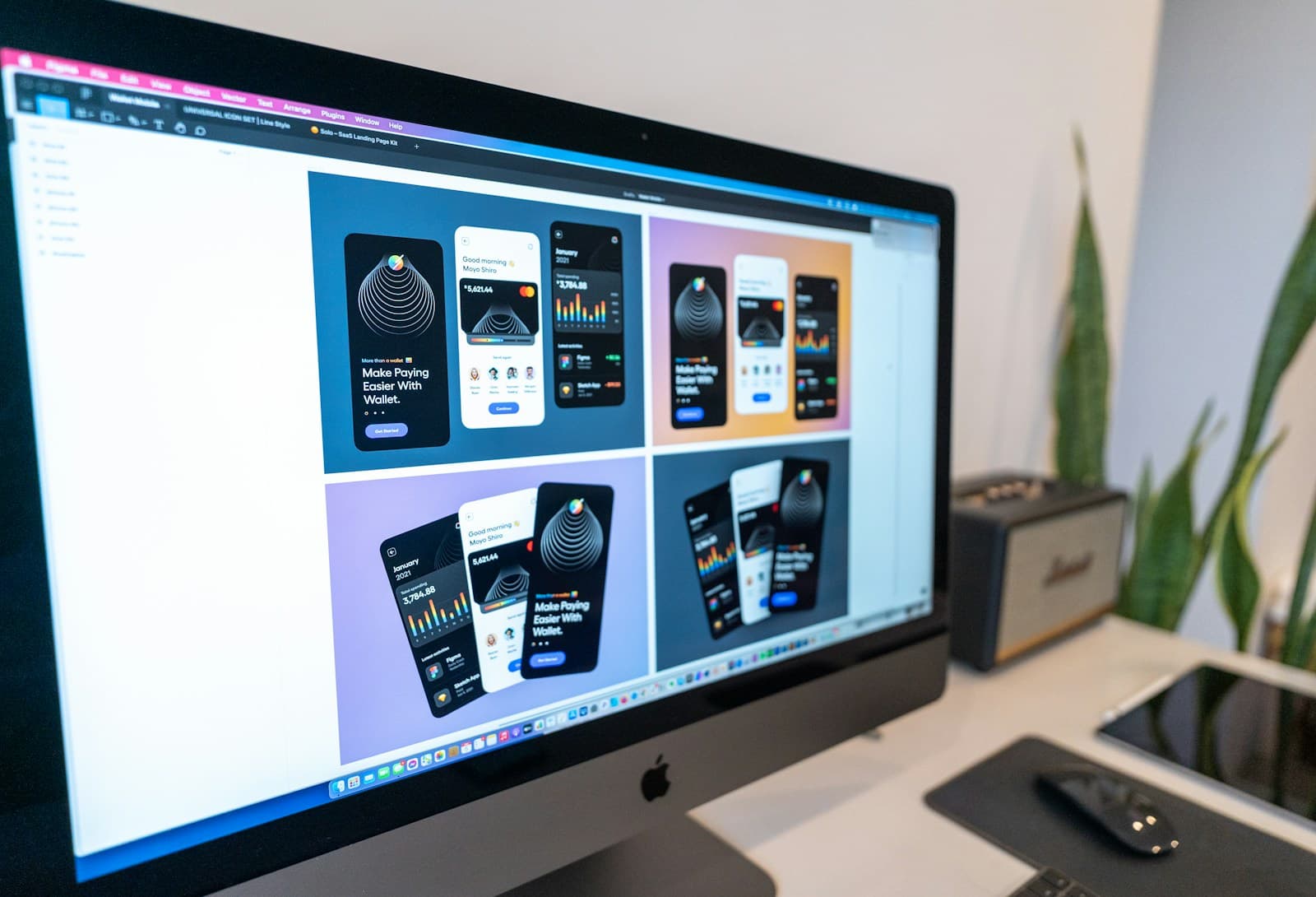
We work in short, transparent cycles with your people involved throughout, so you see progress every couple of weeks and can steer as you learn.
- 01
Discover
Understand your users, goals, systems and constraints, and agree what success looks like.
You get: A clear scope, roadmap and estimate
- 02
Design
Prototype and test the experience, and design an architecture that's secure and scalable.
You get: Tested designs and a technical plan
- 03
Build
Develop in short sprints with automated testing, code review and regular demos.
You get: Working software every sprint
- 04
Launch
Release safely with monitoring in place, supported by our team through go-live.
You get: A smooth, low-risk launch
- 05
Evolve
Support, maintain and improve the application as your users and business change.
You get: Software that keeps getting better
Why Anthrasec
Why choose Anthrasec to build your software
Security built in
We come from cybersecurity, so secure design and testing are part of every build.
Engineers who own the outcome
Senior engineers who care about how the software performs in production.
Transparent delivery
Regular demos, clear reporting and no surprises on scope or cost.
Cloud and infrastructure included
Hosting, networks and security from the same team, with no gaps between suppliers.
No lock-in
You own the code and documentation, and we build with mainstream technology.
With you after launch
We support, maintain and improve what we build.

Common questions
Application development, answered
How much does custom software development cost?
It depends on the scope, the number of integrations and how complex the business rules are. Smaller applications and prototypes can be delivered in weeks, while larger platforms are built in phases. After a short discovery, we give you a clear estimate and break the work into stages so you can control spend.
How long does it take to build an application?
A focused minimum viable product often takes 8 to 16 weeks. Because we release in short cycles, you'll see working software within the first few weeks and can start getting value before everything is finished.
Should we build custom software or buy an off-the-shelf product?
If a product does the job well and your process is standard, buying is usually quicker and cheaper. Custom software makes sense when your process is a differentiator, when you need to connect several systems, or when off-the-shelf tools force costly workarounds. We'll give you an honest recommendation.
Do we own the code?
Yes. You own the source code, designs and documentation we create for you, and everything is kept in repositories you control.
Can you modernise our existing legacy system?
Yes. We assess the system, then modernise it in stages, for example by moving it to the cloud, replacing it piece by piece or rebuilding the most valuable parts first, so the business keeps running throughout.
Do you use AI to write code?
Our engineers use AI assistants where they help, for example with routine code and tests, but every change is reviewed by an experienced engineer and checked by automated tests and security scanning. We never share your confidential code or data with AI tools without agreement.
What happens after the application launches?
We offer ongoing support covering monitoring, security updates, bug fixes and new features, with agreed response times. Software needs regular care to stay secure and useful, and we're set up to provide it.
Work with us
Ready to work with Anthrasec?
Let's schedule a meeting.
Pick a time that suits you and tell us a little about what you need. We'll come prepared, with the right people in the room.
Step 1 of 4
Choose a date and time
October 2026
Checking availability…
Times are shown in UK time (London). Meetings are held on Microsoft Teams.
Available times
Choose a date to see available times.